
XIAMEN ACEY NEW ENERGY TECHNOLOGY CO., LTD.

Categories
New Blog
How are Lithium-Ion Batteries Manufactured?
December 05 , 2025How are Lithium-Ion Batteries Manufactured?
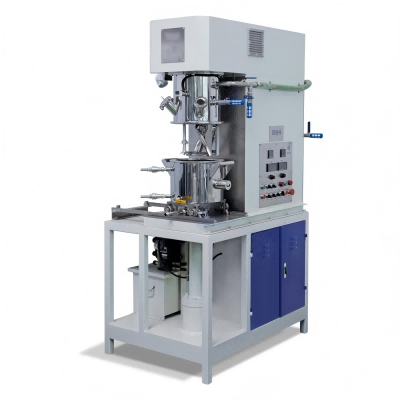
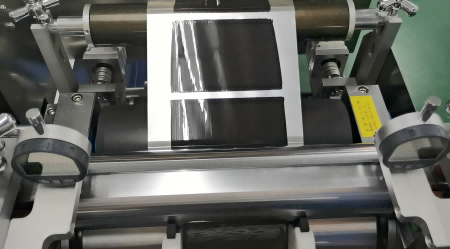
Positive Electrode Coating (Intermittent Coating Process)
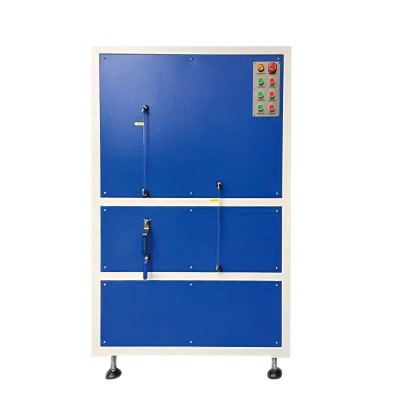
3. Drying
Drying involves passing the coated electrodes through an oven to dry the solvent on the electrodes, changing them from a fluid to a solid state. The electrodes pass through multiple temperature zones within the drying tunnel, allowing the solvent to gradually evaporate and preventing surface crusting. Simultaneously, the exhaust gas generated during the electrode drying process primarily consists of volatile organic solvents, especially NMP used in the positive electrode, which requires relatively high temperatures to completely evaporate; otherwise, it will adversely affect the electrode's adhesion and safety. Solvent purification system can be used to filter the solvent from the exhaust gas generated during the coating machine's drying process, achieving dust removal and exhaust gas purification.
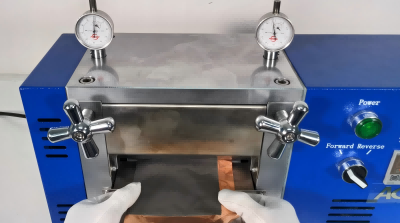
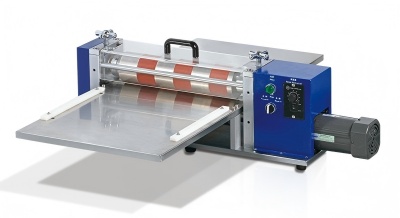
4. Rolling
The dried electrode contains a large number of micropores. Roll pressing is a process in which the dried electrode sheet is squeezed by roll press machine to reduce the porosity, so as to firmly adhere the active material to the copper and aluminum foil, increase the electrode density, and improve the contact between the electrode and the current collector.
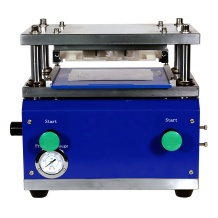
5. Slitting/Die-cutting
Slitting involves cutting the rolled electrode sheets into the required specifications and dimensions, such as a certain width and length, to manufacture batteries of different specifications. Die-cutting refers to cutting the electrode sheets into square sheets for use in the production of stacked cells.
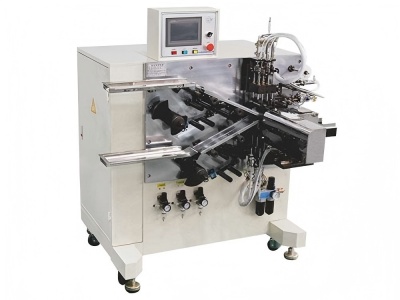
6. Winding/Stacking
Winding involves winding the slit positive electrode sheet, negative electrode sheet, and separator together using a electrode winding machine, with the separator sandwiched in the middle and the positive and negative electrode sheets on either side.
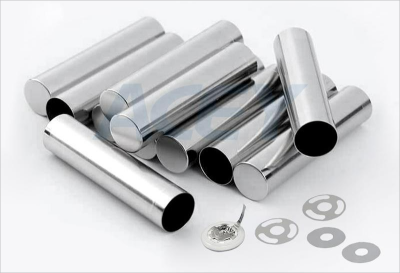
7. Encasing
Encasing involves placing the wound or stacked bare cell into a sealed casing, forming a closed structure that isolates the bare cell from the outside and protects the battery. The casing is usually steel or aluminum (for cylindrical or prismatic batteries), or aluminum-plastic film (for pouch batteries).
8. Electrolyte Injection
Electrolyte injection involves injecting electrolyte into the battery. Electrolyte is like the "blood" of a battery. Only with the injection of electrolyte will a lithium battery become "alive," allowing lithium ions to circulate within the battery and enabling the charging and discharging process.
9. Formation
Formation involves subjecting the battery, after electrolyte injection and sealing, to a small-current charge and discharge cycle to activate the positive and negative electrode materials and form a stable SEI film, laying a solid foundation for subsequent normal charging and discharging.
10. Capacity Grading
Capacity grading involves screening batteries through OCV testing, charge-discharge testing to ensure good battery consistency.
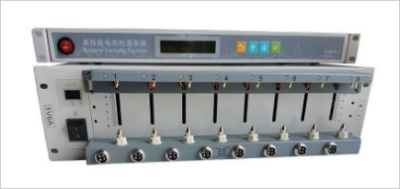
The above describes the basic processes involved in lithium battery production. Some processes may have additional steps, and actual production may vary slightly depending on the specific battery being manufactured, but the general principles remain the same.
Acey New Energy specializes in the research and manufacturing of high-end lithium-ion battery manufacturing equipment. As one of the experienced battery tester suppliers and battery production line equipment providers with more than 15 years in the industry, we have developed over 150 solutions for laboratories and pilot production lines and exported them to more than 40 countries.
We are not only a leading Chinese supplier in battery hot roller press equipment wholesale, but also one of the top electrode slitting machine manufacturers in the market. We are committed to delivering customized solutions to meet diverse customer needs and will continue to focus on the lithium-ion battery industry, striving to become a global leader in battery equipment manufacturing.
Rm703, No.223, Qishan North Road, Huli District, Xiamen, Fujian, China
Email : allen@xmacey.com
Tel : +8618950009155
Whatsapp : +8618950009155