Battery Pack Assembly Process Series 6 - Electrical Performance Test
Electrical performance test provides real data support for the endurance of new energy vehicles by scientifically quantifying the performance of battery, motor, electronic control and other systems. It is a key process in the PACK manufacturing process.
Contents of electrical performance test: capacity and energy test, power and internal resistance test, energy efficiency test, start-up test, self-discharge test, charge acceptance test, life test, etc.
01 Capacity And Energy Test
Main purpose: to measure the available capacity and energy of the battery system under different conditions.
Generally, the ambient temperature has a greater impact on the test results, and the discharge mechanism also has a certain impact.
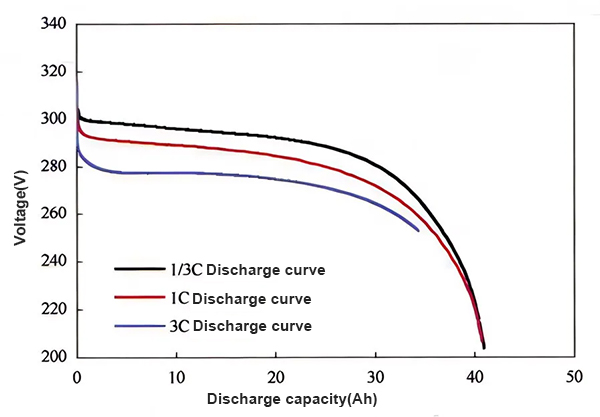
Discharge capacity curves of different rates at the same temperature
Under the same environment, the greater the discharge rate, the smaller the discharge capacity of the system. For example, the same electric car has a shorter driving distance under high-speed driving conditions; while it can travel a longer distance under low-speed driving conditions.
The lower the ambient temperature, the smaller the discharge capacity of the system. In low-temperature environments, the energy (driving distance) of electric vehicles often needs to be discounted.
02 Power And Internal Resistance Test
Content: Determine the available power and DC internal resistance of the battery system at different temperatures.
Main criteria: ISO 12405 and FreedomCAR
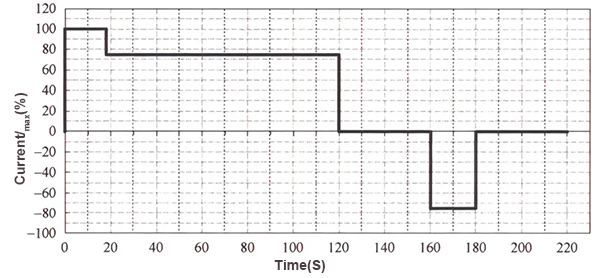
Power and internal resistance - ISO 12305 test conditions diagram
Power and internal resistance test is an important method to evaluate the performance of the battery system, mainly involving test steps in high and low temperature environments and hybrid power pulse test (HPPC).
1) Power and internal resistance test in high and low temperature environments
Test steps:
-
SOC adjustment: adjust the SOC of the battery system to the target value at room temperature.
-
Temperature balance: place the battery system at the target ambient temperature (high or low temperature) and wait for temperature balance.
-
Test execution: perform power and internal resistance test at the target temperature.
2) Hybrid power pulse test (HPPC)
-
Test purpose: Determine the DC internal resistance and available power of the battery system in the range of 10%SOC~90%SOC.
-
SOC interval: 10%SOC.
-
Test method: The HPPC test measures the voltage response of the battery system by applying a pulse current to calculate the internal resistance and power.
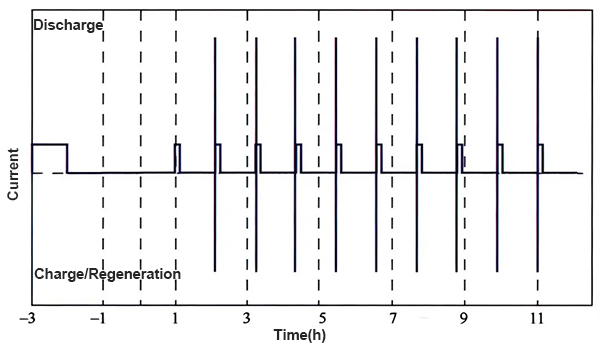
HPPC test diagram
03 Energy Efficiency Test
The main purpose of energy efficiency test is to evaluate the energy conversion efficiency and energy utilization rate of battery packs during charging and discharging. There are certain differences in the methods of measuring energy efficiency for different types of application scenarios.
1) High power application: focus on testing the recovery and utilization efficiency of the system at high rate energy feedback.
Test method: may include simulating high rate charge and discharge cycles, measuring energy recovery efficiency and conversion efficiency, and evaluating the performance of the system under dynamic load conditions.
2) High energy application: focus on testing the performance of charging at different ambient temperatures.
Test method: may include evaluating the impact of different charging strategies (such as constant current charging, constant voltage charging, pulse charging, etc.) on battery performance, measuring charging efficiency, and analyzing the performance degradation of batteries in long-term charging and discharging cycles.
Under normal temperature, high temperature and low temperature conditions, charge with the charging mechanism specified by the manufacturer until the charging cut-off condition is reached, and then discharge with the same discharge mechanism under normal temperature conditions to verify the charging available capacity and energy under different conditions.
Energy efficiency test results of a battery pack sample

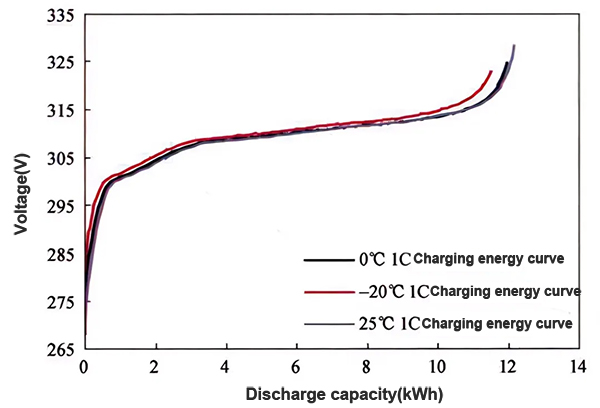
Charging energy curves at different temperatures in energy efficiency test
04 Startup Test
Purpose: To verify the starting power output capability at low temperature and low SOC.
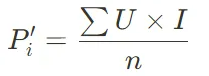
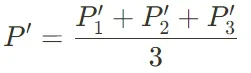
Test method: Constant voltage discharge, and use the maximum pulse discharge current specified by the manufacturer as the current upper limit, and collect the voltage U and current I at the end of the discharge pulse.
Average power of the ith constant voltage discharge:
Low temperature starting power:
05 Self-discharge Test
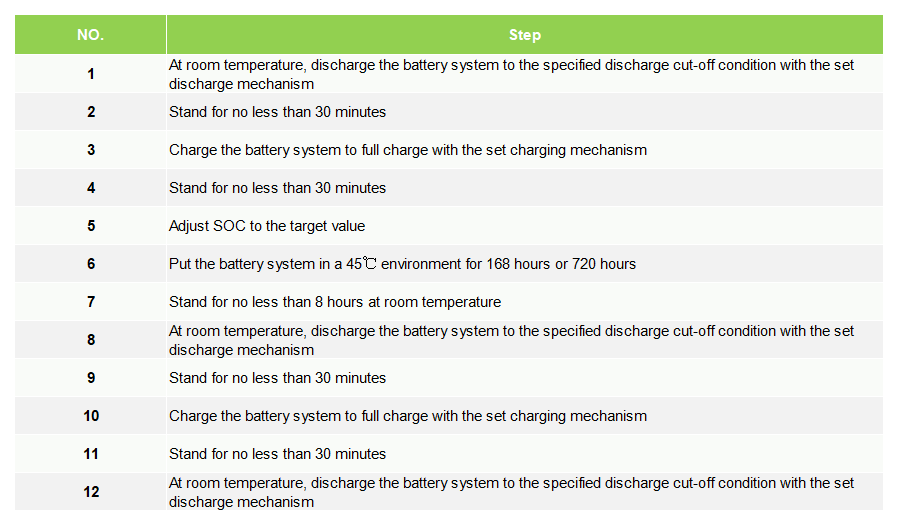
Purpose: To verify the charge retention/recovery capability of the power battery system under long-term shelving. At the same time, the voltage difference of the minimum monitoring unit in the self-discharge performance test can be used as a basis for whether there is a hidden danger of internal short circuit in the system.
Test process:
06 Charging Acceptance Test
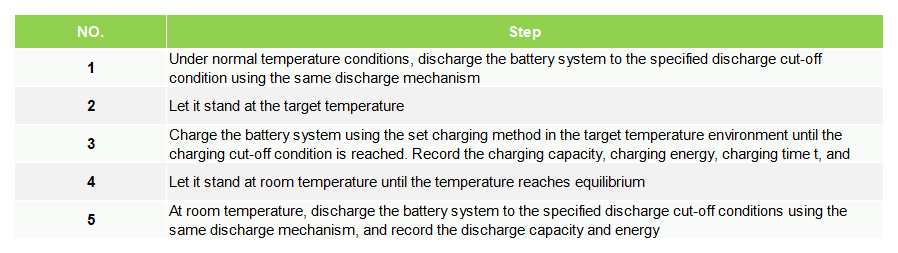
Purpose: To verify the rechargeable capacity of the power battery system under different conditions.
Test process:
07 Life Test
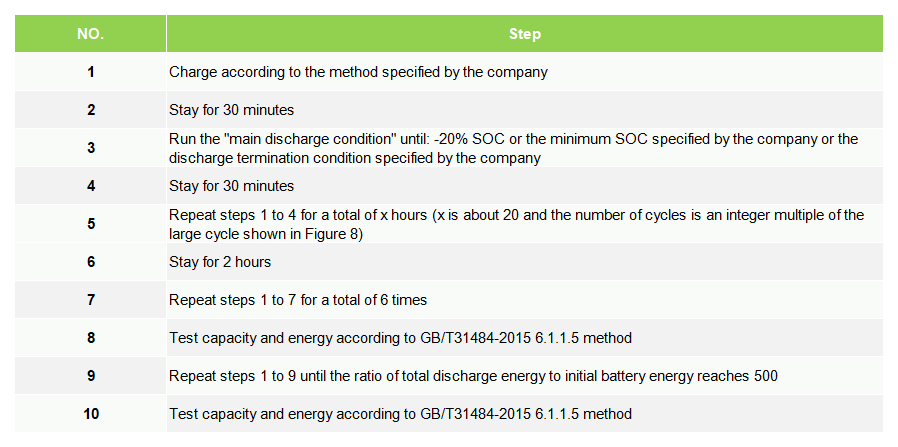
Purpose of the working condition life test: To reflect the life change trend of the power battery system under rapid charge and discharge simulation conditions to a certain extent.
Steps for the working condition cycle life test of pure electric passenger vehicle battery
During the manufacturing process of power battery packs, a variety of testing equipment is required to ensure safety, performance and consistency, including battery cell sorting machine, battery charge discharge machine, insulation withstand voltage testers, battery internal resistance tester, air tightness testers, EOL (End of Line) comprehensive test systems, vibration test benches, environmental battery test chamber, BMS hardware-in-the-loop (HIL) test benches, short-circuit testers, etc., covering key links such as cell sorting, module welding quality, Pack sealing, environmental reliability, BMS function verification and safety testing, in order to meet international (such as ISO 12405, UN38.3) and domestic (such as GB 38031) standard requirements and ensure the reliability and service life of the battery pack.
Acey New Energy is a high-tech enterprise focusing on the research and development and manufacturing of high-end lithium-ion battery equipment. Our business covers battery pack assembly equipment for cylindrical, prismatic, and polymer batteries; battery cell grading machines, regenerative battery pack test system, lab-scale fabrication machines for coin cell, cylindrical cell, and pouch cell; battery environmental safety testing chamber; battery raw materials; and supercapacitor production equipment, etc.