
Language : English

English

 Automatic Battery Pack Assembly Line For ESS

Can A Lithium-ion Battery Be Recycled?

March 13 , 2026

Can A Lithium-ion Battery Be Recycled?


With the rapid growth of electric vehicles, consumer electronics, and energy storage systems, the demand for lithium-ion batteries has increased dramatically. Along with this growth comes an important question: Can lithium-ion batteries be recycled?


The answer is yes. Lithium-ion batteries can be recycled, and recycling plays an essential role in improving sustainability, recovering valuable materials, and reducing environmental impact.

Lithium-ion batteries contain several valuable metals and materials, including lithium, cobalt, nickel, copper, and aluminum. If these batteries are simply discarded, these resources are lost and may also pose environmental risks.

Lithium-ion battery recycling is critical for recovering valuable materials like lithium, cobalt, and nickel, reducing environmental impact, and preventing fire hazards. Only about 5% of these batteries are currently recycled globally, but the industry is growing to support the clean energy transition. Key methods include pyrometallurgy, hydrometallurgy, and emerging direct recycling.


1. Types of Lithium-ion Battery Recycling Technologies
Lithium battery recycling technology is primarily divided into two categories: Echelon Utilization and Regenerative Recycling.

Echelon Utilization (Second-Life): This process involves disassembling, testing, and sorting battery cells or packs to reorganize them into new battery systems for different application fields. This is essentially a structural, high-efficiency use of the battery’s remaining life. To ensure the performance of these second-life cells, professional Battery Cell Testing Equipment is critical for accurate capacity and health evaluation.
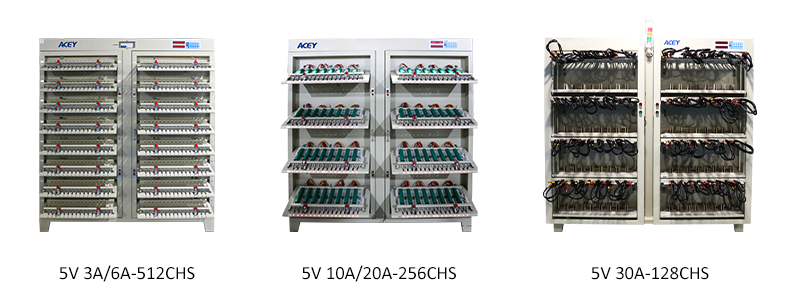
Battery Cell Testing Equipment

Regenerative Recycling: This method involves pre-treating and fully discharging waste batteries. Using physical, chemical, or biological methods, valuable metals like Nickel, Cobalt, Lithium, and Manganese are separated to create new metal compounds or Battery Raw Materials.

2. Comparison of Three Process Methods
There are three main technical routes currently used in the industry to recover valuable components like electrode active substances and current collectors.

Process Method Advantages Disadvantages
Physical Recycling Simple equipment process and environmentally friendly
Suitable for large-scale processing and recycling
High labor intensity
Limited recycling efficiency
Hydrometallurgical Recycling High recycling efficiency
Stable process performance
Recovered materials have relatively high purity
High capital investment, Strong acids, strong alkalis, and large amounts of ammonia are used during production. Improper treatment may cause pollution to air, water, and soil
Pyrometallurgical Recycling Low initial investment, Simple working principle and easy operation
High compatibility, suitable for large-scale processing of various types of waste batteries
Requires high energy consumption and generates a large amount of exhaust gas


For companies engaging in the Echelon Utilization pathway, reassembling tested cells into reliable new products requires a professional Battery Pack Assembly Line to ensure structural integrity and quality.


Battery pack assembly line


3. Advantages of Lithium Battery Recycling
The development of the lithium-ion battery recycling industry offers multi-dimensional benefits:

  • Resource Security & Economic Gains
Waste batteries are rich in valuable metals. By recycling, industries can reduce reliance on primary mineral resources and lower production costs. Advanced technologies can now reach recovery rates of 99.6% for Nickel, Cobalt, and Manganese, and 91% for Lithium. This ensures a sustainable supply chain for new Lithium-ion Battery Manufacturing.

  • Environmental Stewardship
Improper disposal can lead to hazardous substances leaking into soil and water. Systematic recycling mitigates environmental pollution and supports "Green Development" goals.

  • Innovation & Industrial Upgrading
The development of lithium battery recycling technology can not only improve recycling efficiency and reduce production costs, but also promote technological upgrading and structural adjustment in related industries. Examples include the widely adopted advanced automated dismantling technology, high-efficiency separation technology, and precision purification technology.

  • Policy Support & Market Potential

With national policies like the "Interim Measures for the Administration of Recycling and Utilization of Power Batteries" and the surging demand in the EV sector, the market potential is enormous. This growth not only protects the environment but also creates significant employment opportunities.


Leave a message
Leave a message
If you are interested in our products and want to know more details,please leave a message here,we will reply you as soon as we can.

Home

Products

contact

whatsApp